
How Can DaaS Simplify Joiners & Leavers?
A Device as a Service (DaaS) model helps organisations handle these transitions smoothly, efficiently, and without unnecessary cost.
February 03, 2026

Modern workplaces with diverse workforces require an effective device strategy to manage IT assets and fleets. Employees work in different ways, across different locations, with different role requirements.
A persona‑based Device as a Service (DaaS) model helps organisations give every user the right tools, improving productivity, reducing costs, and simplifying IT management.
Table of contents
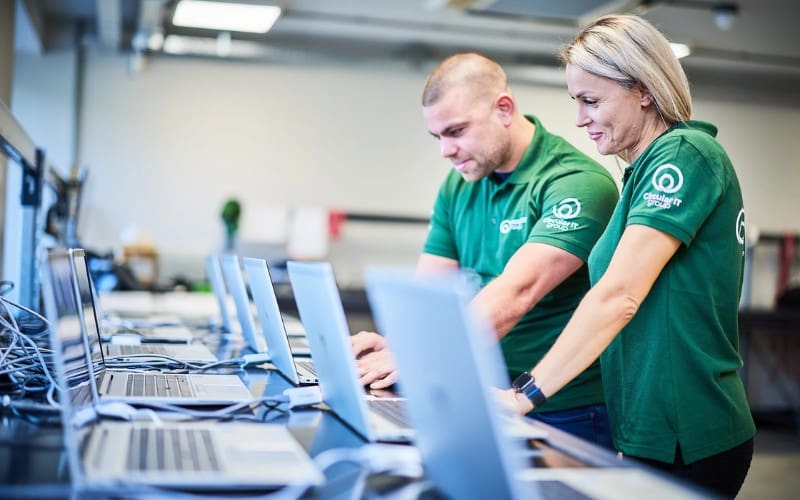
Organisations support desk-based staff, hybrid workers, and mobile teams, each with different computing capability requirements. Some employees need more RAM for AI development. While others could require pre-configured software. All have very different technology needs. Yet many companies rely on a uniform device strategy.
This often leads to mismatched hardware, unnecessary IT complexity, and frustrated employees. A persona‑based approach recognises that not everyone works the same, and that technology should reflect that.
Persona‑based Device as a Service is an IT model where devices, software, and support services are tailored to groups of users with similar roles and requirements. These personas are defined by factors such as:
Instead of issuing the same device to everyone, organisations align technology with the way people actually work.


Personas are determined by:
These insights are combined into clear user profiles that guide device selection and support levels.
Persona‑based DaaS adapts to the unique needs of industries across the UK, including:
Each role receives technology that supports its workflows, security requirements, and compliance obligations.

DaaS provides organisations with laptops, desktops, and mobile devices via a subscription model that includes lifecycle services, including deployment, maintenance, support, and end‑of‑life management.
Standard DaaS provides devices on a subscription basis. Persona‑based DaaS goes further by tailoring devices and services to specific user groups, ensuring each employee receives technology that matches their role.
By aligning devices with actual needs, organisations avoid over‑specifying hardware, reduce waste, simplify support, and improve lifecycle management, all of which lower the total cost of ownership.
Personas are created by analysing job functions, workflows, mobility requirements, and application usage. These insights are grouped into user profiles that guide device selection and support levels.
Hybrid workers receive devices designed for mobility, secure remote access, and flexible working patterns, ensuring consistent performance wherever they work.
Leasing devices is primarily a financial arrangement for the hardware, with fixed monthly payments over an agreed term and options to return, buy out, or refresh devices at the end of the contract.
In contrast, DaaS is a subscription-based service that includes full support and management across the entire device lifecycle.
How Can DaaS Simplify Joiners & Leavers?
A Device as a Service (DaaS) model helps organisations handle these transitions smoothly, efficiently, and without unnecessary cost.
Why Choose a Persona‑Based DaaS Approach?
A persona‑based Device as a Service (DaaS) model helps organisations give every user the right tools, improving productivity, reducing costs, and simplifying IT management.
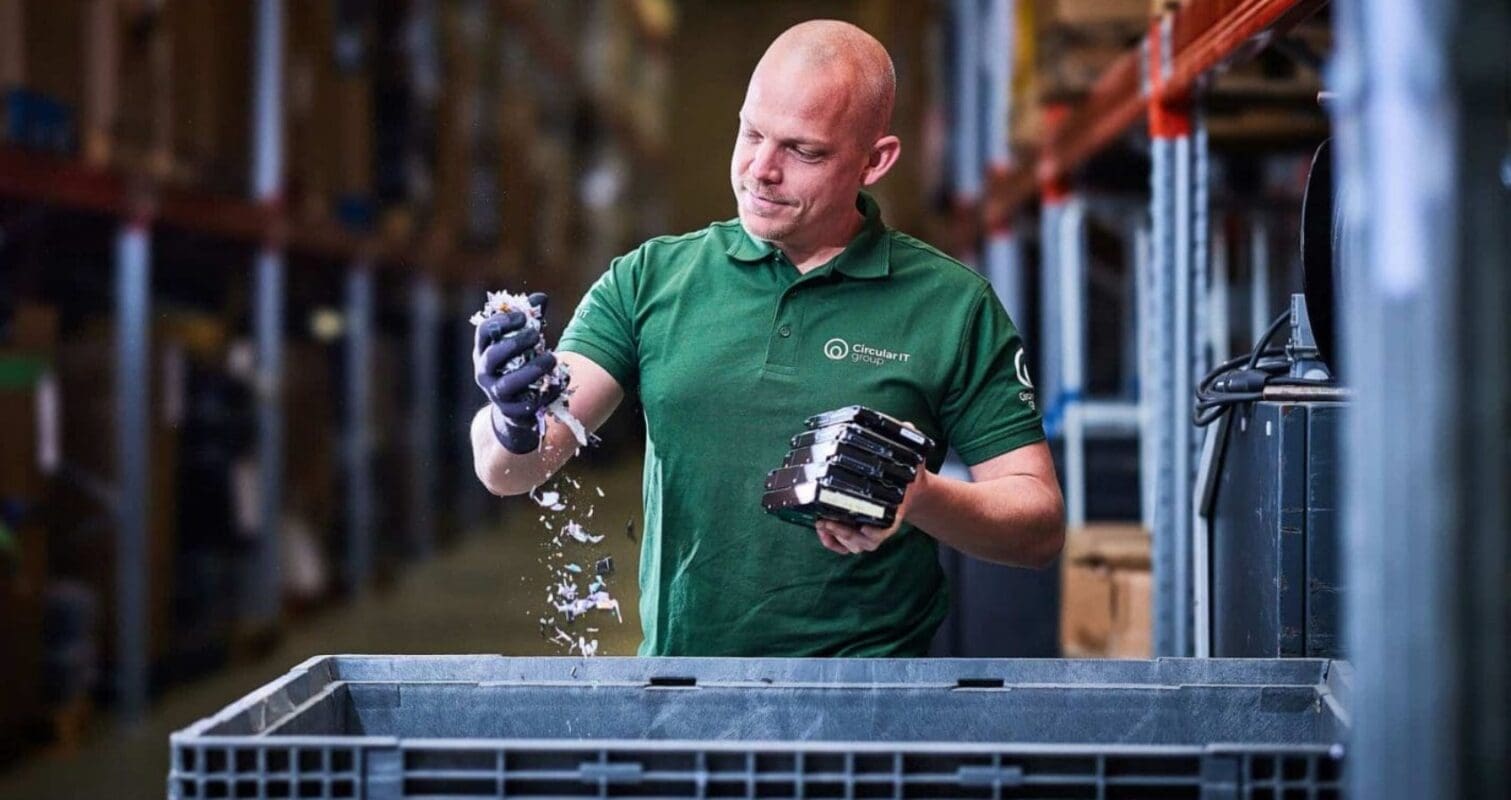
Hard drive destruction: The do’s and don’ts for businesses
Simply deleting files or formatting a drive is not enough. Without following established policy and law, your business will be penalised when sensitive business data falls into the wrong hands.

Reinout van Tuyll
CFO
We’re happy to help!
Get in touch