


Get in touch
Phone +44 845 206 8100 or complete the form below.

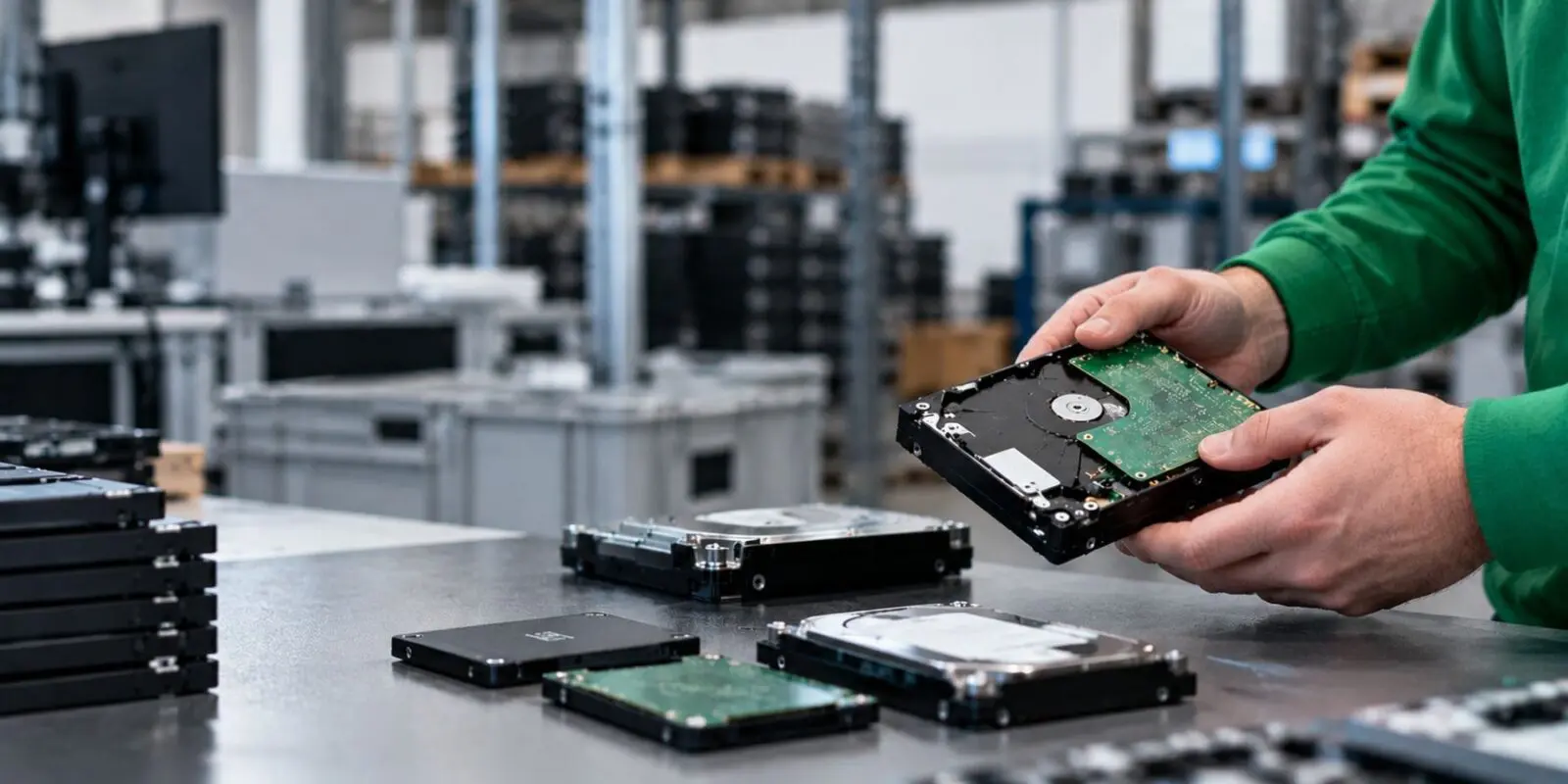
Circular IT group provides certified data erasure services for organisations across the UK. We wipe laptops, desktops, servers, drives and mobile devices with Blancco software, so the data cannot be recovered and the hardware can be used again.
Data erasure, also known as data wiping, permanently removes data from a storage device using specialist software. Unlike physical data destruction, this method of data sanitisation leaves the device functional, allowing it to be reused, sold or donated.
Circular IT group uses Blancco data erasure software and is a Blancco Platinum Partner. The Blancco software overwrites data on the drive with binary patterns, verifies the erasure and records the results to provide evidence that the process has been completed.
Our data erasure process follows the NIST 800-88 standard, and the Blancco software also meets ISO 27040. Centralised management allows large batches of devices to be erased consistently, with each device tracked and its erasure results recorded so that every device can be traced afterwards.
If a drive cannot be securely erased, for example because it is damaged, it undergoes hard drive shredding to DIN 66399 instead. A certificate of destruction is then issued in place of the data erasure certificate.
Our data wiping services cover the storage in:
If your organisation needs its own bespoke approach, for example you need a set method for one type of device, then we will agree a custom data erasure solution with you before we start the project.

Once the data erasure has been verified, Blancco generates a tamper-proof certificate that is linked to the device. This provides a record of the erasure that you can show to your auditors, your data protection officer or the Information Commissioner’s Office (ICO).
Each certificate shows:
Alongside these certificates, you receive an asset report listing every device processed and what happened to it afterwards.

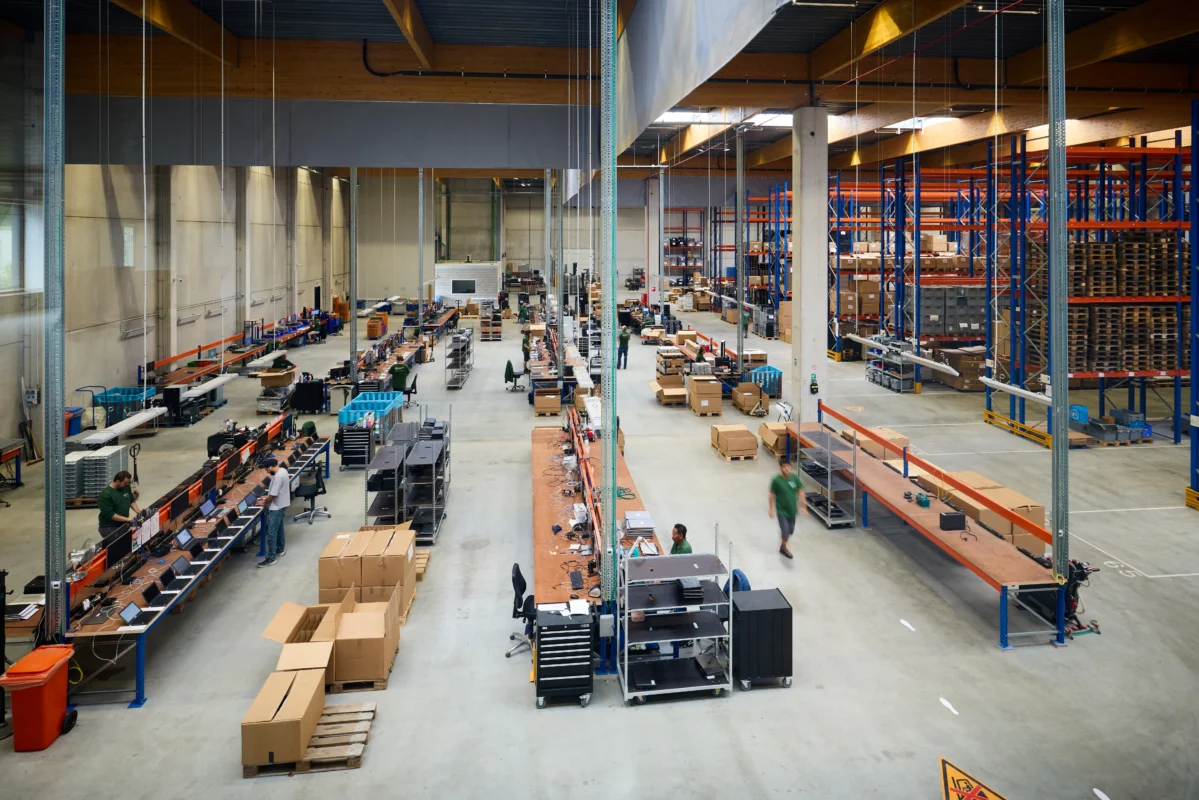
On-site data erasure is suitable for organisations whose security policies require devices to be wiped before leaving their premises. Our technicians can wipe the devices at your location where your staff can observe the process and watch the data be erased. Drives that require physical destruction are shredded on your premises during the same visit.
Our team records each device before collection and transports it to our East Kilbride facility in our own GPS-tracked vehicles. Once there, the data is securely erased before any further processing, refurbishment or reuse takes place.
Get in touch
Phone +44 845 206 8100 or complete the form below.

Plan the project
Tell us which devices hold data, how many there are, whether you want erasure on site or at our facility and a date that suits you.

Registration and transport
Every device is logged by serial number before erasure, so you can follow it through the process. For erasure at our facility, we then collect it.

Erasure and verification
Blancco wipes each drive and checks the result.

Certificates and reports
A certificate for each device, plus the asset report for the whole project.

Next use
The erased hardware comes back to you, or is resold, donated or recycled, as agreed.
Shredding a drive can reduce the resale value of the equipment. For hardware intended for reuse, resale or donation, secure data erasure is therefore often the better option. The National Cyber Security Centre (NCSC) provides guidance on preparing devices for reuse, including how to securely remove data before selling or donating equipment.
Hard drive shredding is appropriate when a drive cannot be securely erased or an organisation’s security policy requires physical destruction. For media containing more sensitive data, such as personal information, the NCSC advises that erasure alone may not be sufficient before disposal. In these circumstances, it recommends erasing the data before physically destroying the media. Our data destruction services page explains both methods and when each is appropriate.
The security principle of UK GDPR requires organisations to protect personal data against unauthorised access, loss and disclosure. This responsibility continues when laptops, servers and other IT equipment are retired. Unless securely erased, personal data may remain on a device while it is in storage, awaiting disposal or being prepared for reuse.
If an unerased device is lost, stolen or sold, it could result in a personal data breach. Where a breach is likely to pose a risk to individuals’ rights and freedoms, organisations must report it to the Information Commissioner’s Office (ICO) without undue delay and, where feasible, within 72 hours of becoming aware of it. If the risk is high, affected individuals must also be informed.
Secure data erasure provides documented evidence that data has been removed, including a certificate for each processed device and a chain-of-custody record tracking the equipment from collection through to erasure.

Securely erased laptops and desktops can be redeployed within your organisation, whether for new starters or employees at other locations. Leased equipment can also be returned to the lessor with data erasure certificates confirming that the data has been removed.
Working hardware with a resale market keeps its value once the data is gone. Through IT asset recovery, we buy it from you and pay the residual value into your bank account.
You can also donate erased devices. When Mace Construct gave its used corporate laptops to the Mace Foundation, we wiped them with Blancco and prepared them for young people exploring careers in construction.
Whatever cannot be reused goes through IT recycling at our SEPA-approved facility, with nothing sent to landfill.

Our UK operation holds:
See the full list of certifications across Circular IT group.




We erase on site in England, Scotland, Wales and Northern Ireland, or collect devices for erasure at our East Kilbride facility near Glasgow. Several offices can run as a single project, with one named contact and one asset report.
We provide data erasure solutions for government bodies, healthcare providers, schools and universities, financial services firms and telecoms companies.
In mainland Europe, erasure is carried out at our sites in the Netherlands, Belgium and Denmark, and with our partners we reach more than 90 countries as part of our IT Asset Disposition (ITAD) services.

How to securely wipe or destroy an SSD: a business guide
You securely wipe a working SSD with the erase command built into the drive itself, or cryptographically by destroying the encryption key.

How to destroy a hard drive: why these popular methods don’t work (and what does)
We debunk the most popular DIY methods for destroying storage media, and show you at the end what actually works.

IT remarketing for OEM trade-in programmes: about 30,000 devices a year
IT remarketing for PC trade-in programmes: about 30,000 devices a year, a 50/50 open-book revenue share and 92% of devices resold for reuse.
The difference between deleting, formatting and data erasure is that deleting a file or formatting a drive only removes the references to the data and recovery tools can often bring it back. Data erasure overwrites the data itself, so there is nothing left to recover.
Yes, but SSD data erasure works differently from hard drive erasure, because an SSD keeps its data on memory chips rather than a disk. The NCSC guidance notes that manufacturers may provide built-in commands for this, such as ATA or NVMe Sanitize, and asks for the drive to be read back afterwards to check it. We erase SSDs with Blancco and verify each one.
For most drives, one full overwrite followed by verification is enough. That is the method in the NCSC guidance for drives without encryption: write a fixed value across the whole drive, then read it all back to check it. Where your security policy names a multi-pass method, such as DoD 5220.22-M, Blancco can apply it.
No, data erasure is not the same as the right to erasure under UK GDPR. The right to erasure, also called the right to be forgotten, lets a person ask an organisation to delete their personal data. Data erasure as a service is the secure wiping of storage devices when an organisation retires or reuses them.
The cost of data erasure services depends on the number and type of devices, their location and whether erasure takes place on-site or at our facility. We provide a tailored, no-obligation quote based on your requirements.

Paul McHugh
Send us your device list with the form below, and you will hear back from Paul McHugh, Managing Director (UK), with a quote. You can also phone +44 845 206 8100 or email ITAD-UK@circularitgroup.com.
"*" indicates required fields