

How to create a sustainable IT strategy: 6 practical steps
Create a sustainable IT strategy in six practical steps, from procurement and maintenance to reuse. Includes a comparison table, measures and a 90-day plan.
November 09, 2026

In brief
How do you make sustainable IT choices part of everyday business? A sustainable IT strategy sets out what you want to improve, who is responsible and how you will measure results. These six practical steps will help you get started.
On this page
IT has an environmental impact throughout its lifecycle, from extracting raw materials and manufacturing to energy consumption and disposal. Buying more efficient equipment is only part of the answer. Maintenance, software, reuse and procurement also need attention.
A coordinated approach helps you avoid unnecessary purchases, make better use of equipment and understand costs. The Government Digital Service recommends considering sustainability from the start of a technology project and across its full lifecycle.
The examples below show how a sustainable IT strategy broadens decisions beyond purchasing and replacement.
Start with an inventory of laptops, desktops, monitors, servers, storage and network equipment. Include unused stock and returned devices.
For each device or equipment group, record who uses it, the work it supports, its condition and remaining support. Where possible, record utilisation and energy consumption. This gives you a baseline for improvement.

Turn your ambitions into practical rules. For example, require every replacement request to be assessed against performance, support and repair options first. Use your inventory to choose goals that suit your organisation.
Appoint one owner for the plan. IT assesses suitability, procurement manages supplier agreements, security defines protection requirements and finance compares costs. Give each action an owner and a deadline.
Age and book value do not tell you whether equipment still meets your needs. Check performance, reliability and security updates. If a notebook works well but its battery is worn, investigate whether a replacement battery is enough. Hardware that struggles with demanding applications may still suit another role.
Compare retention, repair and replacement over the same period. Include maintenance, management and expected downtime. For servers, also weigh energy use against the manufacturing impact of replacement hardware. The waste hierarchy for IT hardware helps you prioritise the options.

Check whether suitable equipment is already available internally. Then assess whether refurbished hardware meets your requirements. Ask about support, warranty, repairability and spare parts before buying.
Include working conditions in the supply chain. Request evidence for sustainability claims rather than relying on a supplier’s wording. Independent non-profit Electronics Watch helps public buyers monitor labour rights in electronics supply chains, showing why social responsibility belongs in procurement decisions too.
Review software and cloud services for need and capacity. Ask the responsible owner to investigate unused applications, unnecessary storage and environments left running without a purpose. Account for retention requirements, security and business continuity.
Create one clear return process: collect equipment, register it, assess its condition and decide its next destination. Arrange secure data erasure before transfer and agree what reporting you will receive.
Choose the route that suits the equipment’s condition:
Connect transfer and processing records to your asset register. A collection receipt alone does not show what happens to each device afterwards.

Choose a few measures that match your goals. Agree which devices and period are included, who supplies the data and how you will compare results with your baseline.
Keep measurements and estimates separate. Present calculated carbon savings only with a clear source, method and scope.
Start small with a 90-day plan:
Need help putting your plan into practice? Circular IT group supports you with IT Lifecycle Management, from procurement and maintenance to reuse and retirement.
How to create a sustainable IT strategy: 6 practical steps
Create a sustainable IT strategy in six practical steps, from procurement and maintenance to reuse. Includes a comparison table, measures and a 90-day plan.
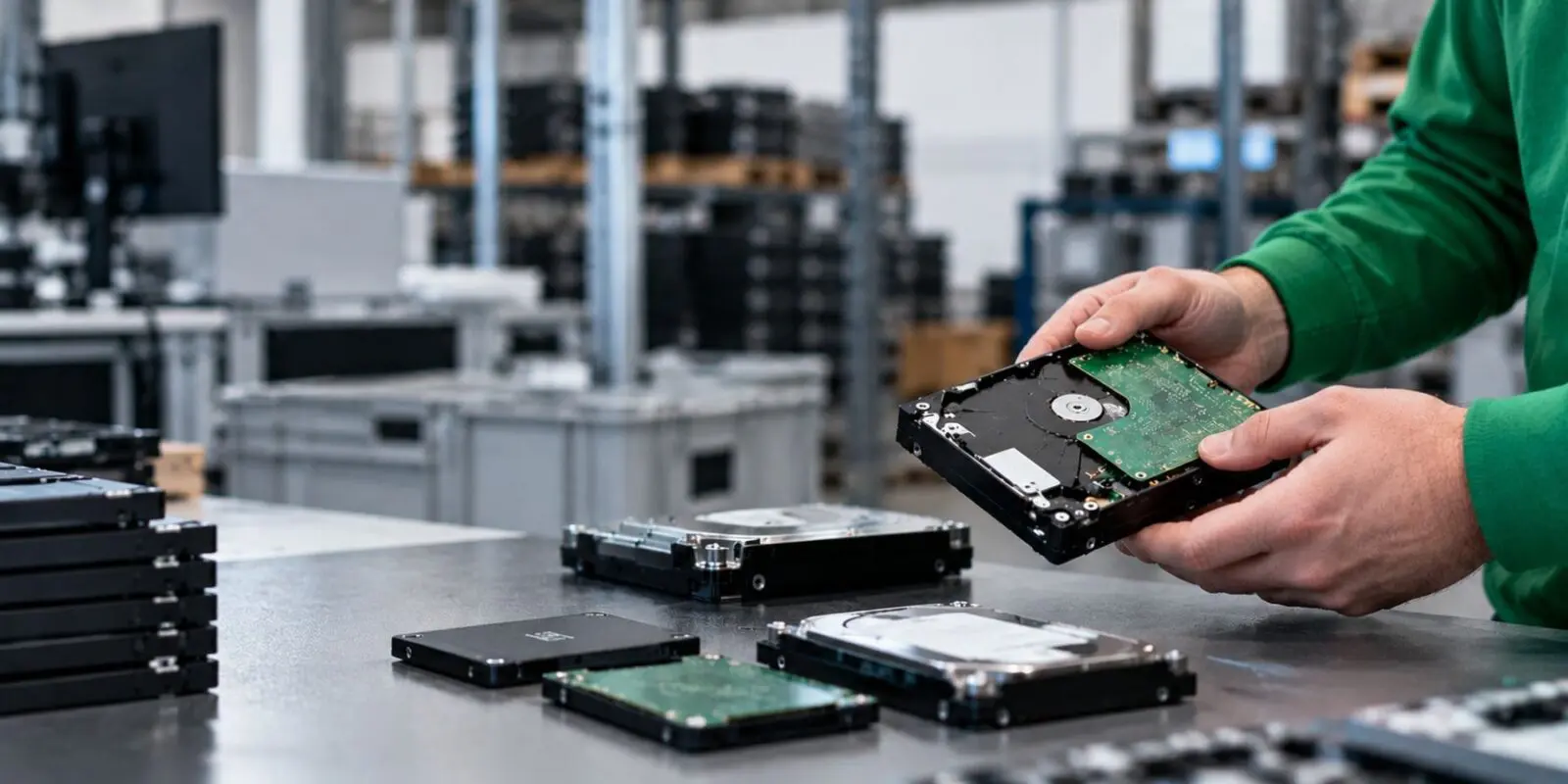
Wiping a laptop or hard drive? Why these common methods don’t work
Laptop cleared, drive formatted, factory settings restored. Ready to go? Often not.
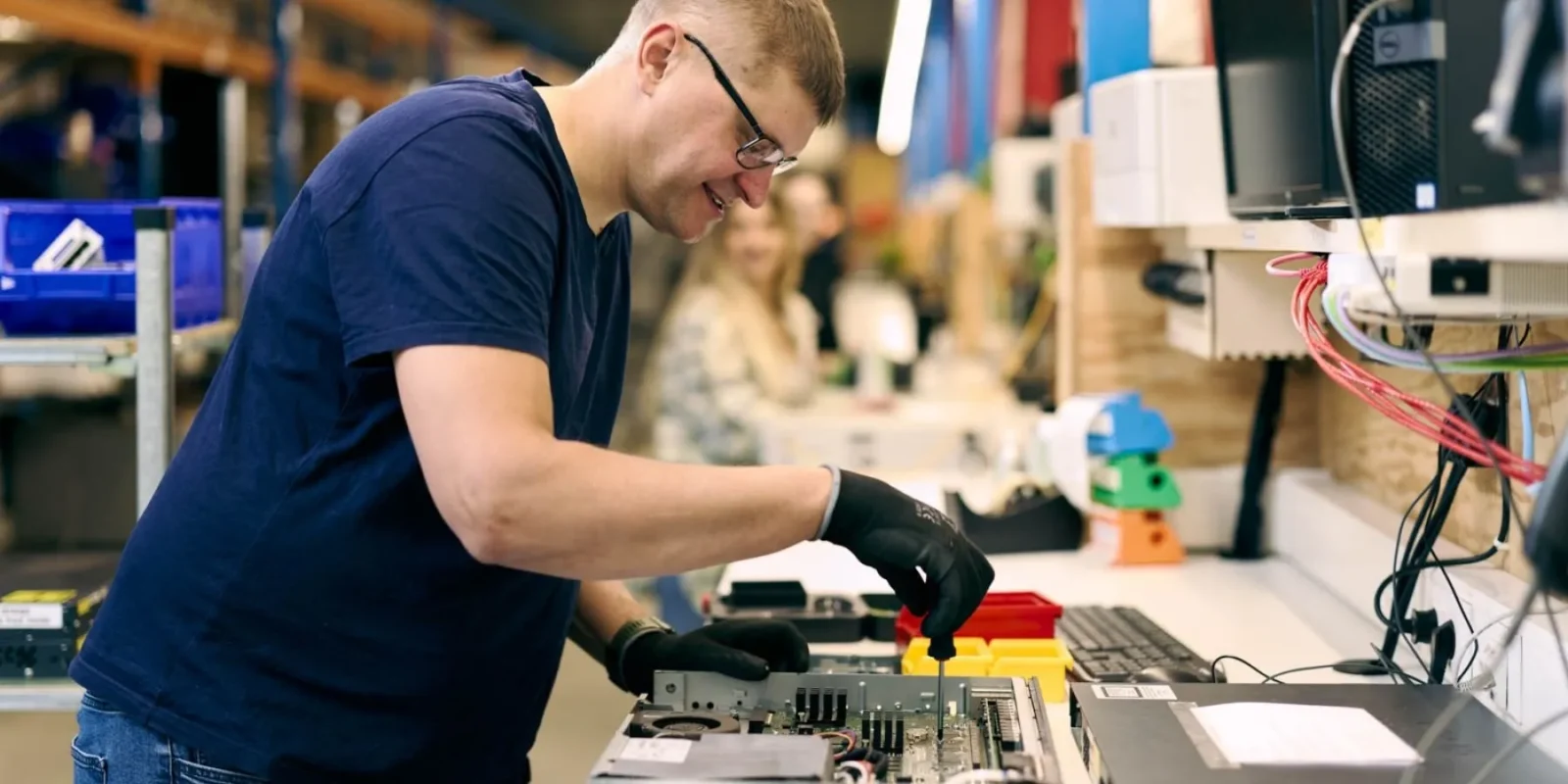
IT Reuse or Recycling: What’s the Difference?
Reuse and recycling are often used interchangeably, but they're two very different routes for retired IT hardware. With reuse, a device stays intact and gets a second life as a refurbished laptop or desktop. With recycling, a device is broken down into raw materials for new products.

Dimitri Wams
CEO
We’re happy to help!
Get in touch